 to Shop Now and Pay Later
 NHS
NHS
However, it’s important to remember that everyone’s body reacts differently to alcohol, and seeking medical advice is recommended for individuals experiencing severe or persistent symptoms. Alcohol is a diuretic, which means it increases urine production and can lead to dehydration. Drink plenty of water before, during, and after consuming alcohol to stay hydrated. This will help replenish the fluids lost and minimize the severity of hangover symptoms, including shakes. Additionally, consider alternating alcoholic beverages with non-alcoholic ones, such as water or electrolyte-rich drinks, to stay hydrated and reduce the overall alcohol intake.
Moderation and Hydration
Factors such as alcohol consumption, body composition, and overall health play a role in the intensity and duration of symptoms 5. If hangover symptoms persist or worsen, it may be necessary to seek professional medical advice. Remember, these strategies are meant to alleviate the symptoms and should not be seen as a cure for a hangover. If your symptoms persist or worsen, it’s important to seek medical attention for proper evaluation and guidance. If hangover shakes persist beyond a day or are particularly severe, it may be time to seek medical advice.
- Consuming food before and during alcohol consumption can also help prevent hangover shakes.
- Proper hydration supports the body’s recovery process and helps restore the balance of electrolytes, which in turn can alleviate hangover shakes.
- Increased urination leads directly to dehydration and the flushing out of essential electrolytes, such as potassium and magnesium.
- This shift occurs because alcohol acts as a depressant, altering neurotransmitter activity in the brain.
- Smoothies can be an effective way to increase fluid intake and replenish electrolytes lost due to alcohol consumption.
- It is always better to err on the side of caution and seek professional medical advice when in doubt.
Long-Term Effects of Excessive Alcohol Consumption
Understanding the relationship between blood sugar and hangover shakes can provide insights into the underlying causes. If you experience alcohol withdrawal tremors or other withdrawal symptoms such as anxiety, sweating, or insomnia, it is essential to seek medical help. Healthcare professionals can provide guidance, support, and appropriate treatment options to manage alcohol withdrawal safely and effectively. In most cases, hangover shakes are temporary and resolve on their own as the body recovers from alcohol consumption. Two situations that warrant medical evaluation are severe hangover shakes and alcohol withdrawal tremors. Hangover shakes, also known as tremors, are characterized by involuntary trembling that occurs typically during a hangover.
How to Get Help for Alcohol Shakes
- While most cases of mild hangover shakes are not inherently dangerous, they can signal alcohol-related complications.
- Therefore, the recovery from a hangover cannot be accelerated, and the symptoms may last as long as the body takes to eliminate the alcohol.
- Shakes from alcohol can be very light and only barely noticeable, or it can be strongly pronounced in some cases.
- Remember to listen to your body and make responsible choices when it comes to alcohol consumption.
- If symptoms, such as persistent shaking, do not subside, consultation with a healthcare professional is strongly advised for further evaluation and care.
Lastly, they contribute unsaturated fats, which may help regulate your blood sugar and symptoms related to a drop in blood sugar from excess alcohol consumption (31). Avocados are jam-packed with vitamins, minerals, and antioxidants, some of which may reduce your hangover symptoms. They are an excellent source of potassium, which can replace losses in urine and support rehydration (17). However, excessive alcohol use can lead to physical and mental health concerns, including substance use disorders like alcohol use disorder. This can lead to dehydration, which is one of the biggest contributors to hangover symptoms like headache, fatigue, and lightheadedness (4, 5). A pivotal aspect of alcohol metabolism is the generation of acetaldehyde, a toxic byproduct responsible for many hangover symptoms, including rapid pulse, skin flushing, and nausea.
Signs You Need Alcohol Addiction Treatment And What to Do Next
Consulting a healthcare professional or addiction specialist can provide https://ecosoberhouse.com/ you with personalized guidance and support. They can help you address any underlying issues related to alcohol consumption and provide appropriate treatment options. Seeking professional help is a proactive step towards managing alcohol-related concerns and improving your overall well-being.
Symptom Duration

They often manifest as shaky sensations in the hands or limbs, and can also affect other body parts. These shakes are typically linked to the body’s reaction to alcohol withdrawal, where the nervous system becomes hyperactive as alcohol is metabolized and cleared from the system. Including electrolytes hangover shakes in smoothies can aid in rehydration after severe dehydration, which may help improve hangover symptoms.
- To provide a nutrition boost, hangover shakes often incorporate nutrient-rich ingredients.
- Consuming a combination of complex carbohydrates, protein, and healthy fats can help stabilize blood sugar levels and provide your body with the necessary nutrients it needs to recover.
- Heavy drinking can interfere with your body’s ability to absorb essential nutrients, including vitamins and minerals.
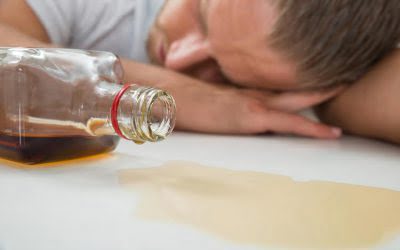
The first symptom of a hangover is actually the feeling of alcohol withdrawal. Hangover shakes, tremors, headaches, nausea, vomiting, night sweats, thirst, dizziness, dry mouth, and stomach pains are common hangover symptoms. However, smoothies provide hydration and can regulate your blood sugar, two things that may help kick hangover symptoms to the curb. Many common smoothie ingredients contain nutrients that may help reduce hangover symptoms. However, more research is needed in humans to determine the true benefits of these foods.
Hangover Shakes: Causes, and Treatment
Next time you experience shaking following too much alcohol, that actually means your body is having withdrawal symptoms from what is Oxford House all the booze you’ve plied it with. It’s basically a mild version of the withdrawal symptoms a drug addict would experience. Ongoing alcohol abuse causes the body to acclimate to a specific level of this substance. When a person tries to stop drinking, their body will react with a series of symptoms. People in this position often experience anxiety, cravings, insomnia, nausea, heart palpitations, sudden mood shifts, and tremors. Alcohol can cause dehydration by increasing urine production and reducing the release of an antidiuretic hormone.



Leave a Reply